
Cost
Cost decides everything. Some cameras are strictly better than others, but the right purchase is the one that fits your actual budget.
Choosing camera gear without letting specs swallow the whole hobby.
Spend on purpose.
Camera gear is expensive, so start with what actually changes your photos.
Whether you are buying your first camera or upgrading from an older body, the goal is not to find the one perfect camera. The goal is to understand your budget, what you like shooting, what lenses you may want later, and which tradeoffs you can live with.
A camera missing from this page can still be a great choice. If it fits your budget, feels good in your hands, works with lenses you can afford, and covers the things you shoot, it is worth considering.
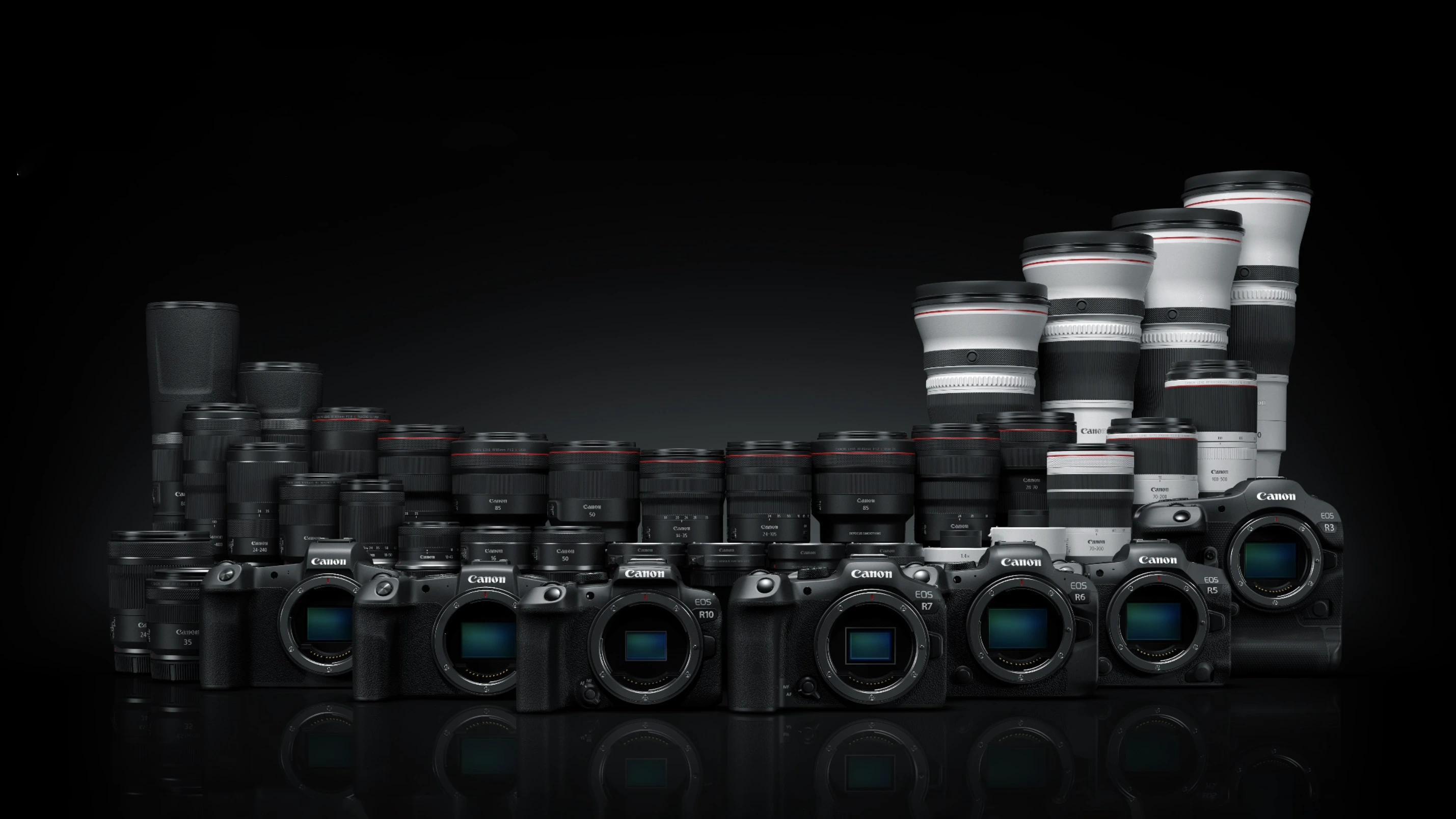
Before recommendations
The importance labels below are only rough guides. What matters depends on your standards, your budget, and what kind of photography you do. A sports photographer, a street photographer, and someone taking casual travel photos should not all buy for the same priorities.
Include lenses, batteries, memory cards, and a bag. A cheaper body with a good lens is often smarter than an expensive body with no money left.
Sports and wildlife need autofocus and speed. Street and travel reward smaller kits. Portraits and events often care more about lenses and low light.
A smaller, lighter camera you actually bring out will beat a better camera that stays at home.
The lens mount decides your future lens choices. Research lens prices before choosing a body, especially with full-frame systems.
Used gear
Many cameras age well, and buying used can save a lot of money. Sites like eBay, MPB, and KEH are common places to compare used prices. Check condition notes, shutter count when available, return policy, included batteries/chargers, and whether the mount and sensor are clean.
Confirm the exact model, included accessories, cosmetic condition, and whether anything is marked as damaged.
Look at lens prices before buying the body. A cheap body can become expensive if the lenses you need are rare or costly.
Used gear is less scary when there is a clear return policy and the seller has a good reputation.
What should I look for?
Cost decides everything. Some cameras are strictly better than others, but the right purchase is the one that fits your actual budget.
Your mount decides what lenses you can use. Most brands have their own mount, and third-party lens support varies.
DSLRs use an optical viewfinder with mirrors. Mirrorless cameras use electronic viewfinders and are more modern, though often more expensive.
Basic autofocus is enough for still subjects. Sports, events, wildlife, and fast movement benefit heavily from stronger tracking.
Smaller sensors usually mean cheaper, smaller lenses. Larger sensors can help with low light and depth of field, but the system cost rises.
In-body image stabilization helps you use slower handheld shutter speeds. It helps camera shake, not subject motion.
For many people, lighter gear means more photos. Portability is a real feature, not just a convenience.
Nice to have
Fully articulating screens are flexible for video and awkward angles. Tilting screens are quick and convenient.
Always appreciated, but extra batteries are usually easy to bring.
Helpful for rain and dust, but the lens needs sealing too. Most cameras are not truly waterproof.
Some people use only the rear screen. A good finder helps with fast action, immersion, and bright daylight.
A camera that feels good is more enjoyable, and that makes you more likely to shoot.
More is not automatically better. Most cameras have enough resolution unless you crop heavily, print large, or simply want higher fidelity files.
Especially useful for landscapes and harsh light where you may recover shadows and highlights from Raw files.
Specialized
Combines shifted frames for more resolution, but works best with static scenes.
Important for sports and nature bursts, where the camera must hold images before writing to the card.
Mostly a video and fast-action concern. If it affects your photography, you probably already know why.
High FPS matters for sports, wildlife, and other fast sequences. Most people do not need extreme burst rates.
Useful for professional redundancy. Not essential for most beginners.
Recommendations
These are common recommendations from the exported guide, not a complete list of every good camera. Prices move constantly, especially used prices. Treat them as rough comparison points and check current listings before buying.
Older, but still capable and packed with specs for the price.
Compact, charming, and especially appealing for street photography.
One of the cheapest ways into full-frame mirrorless.
Extremely capable, especially for wildlife.
Still very capable, though older than the A7IV in autofocus, resolution, and body design.
Canon's essential entry APS-C body with strong autofocus and the basics covered.
A low-cost path to modern full-frame autofocus, but stripped back in battery life and IBIS.
A very complete entry full-frame option with strong image quality, autofocus, viewfinder, and lens support.
Sony's best APS-C body, smaller than full-frame, and good for photo and video.
A common Sony all-rounder with industry-leading autofocus.
Above these brackets, most current options from major manufacturers are capable. At that point, the lens mount and the system you want to build around usually matter more than a single body spec.
DSLRs
The graphs below compare Canon and Nikon DSLR bodies. The exported guide notes that the prices shown in the embeds are new prices, while many of these cameras have depreciated heavily on the used market. Check current used listings, then use the graphs for relative comparison. Thanks to Yang for providing these embeds.
The practical move: set a budget, pick a system with lenses you can afford, buy used when it makes sense, and leave enough money for the lens that actually creates the look you want.